2+ items ship free in the US · 4+ items get 15% off
Couldn't load pickup availability
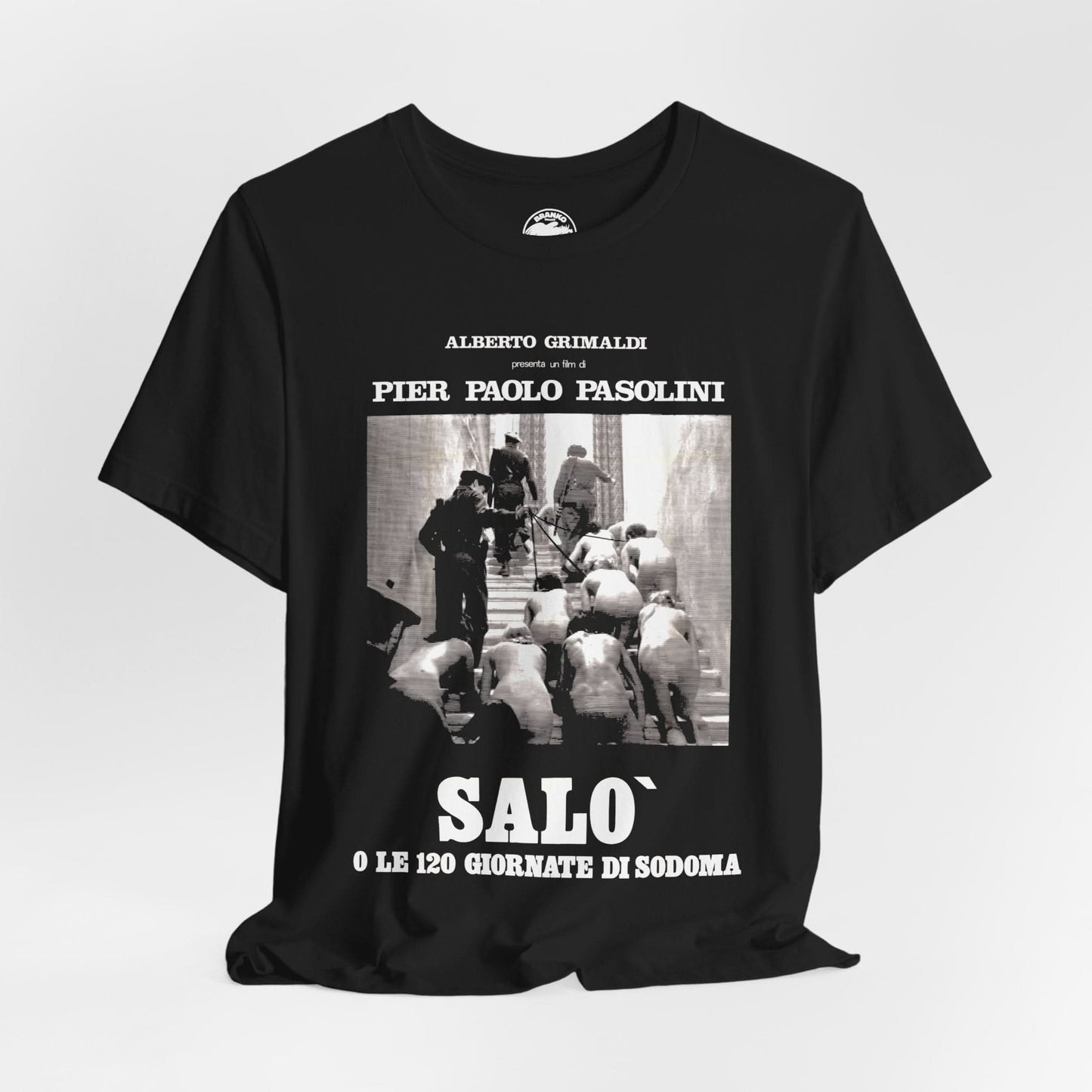
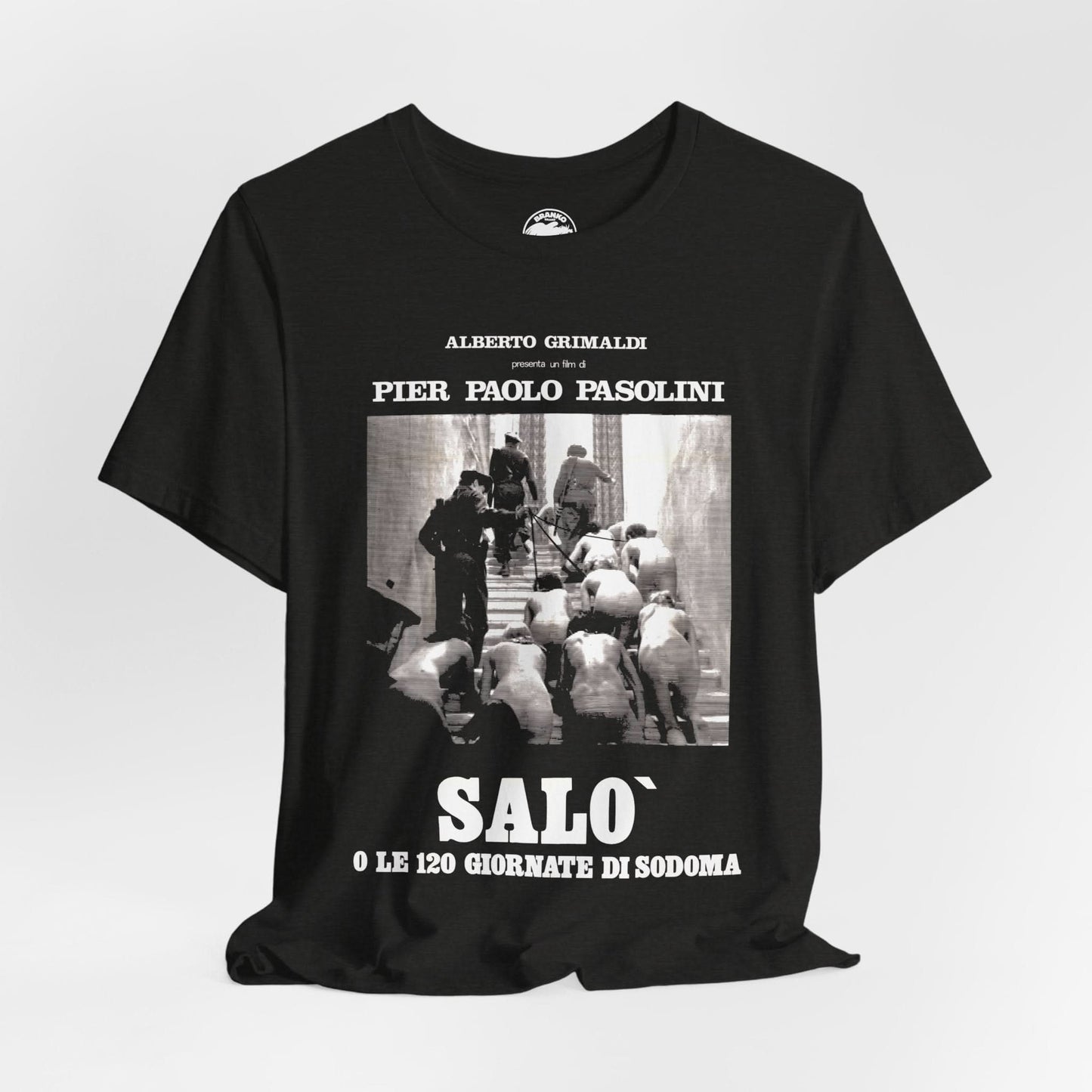
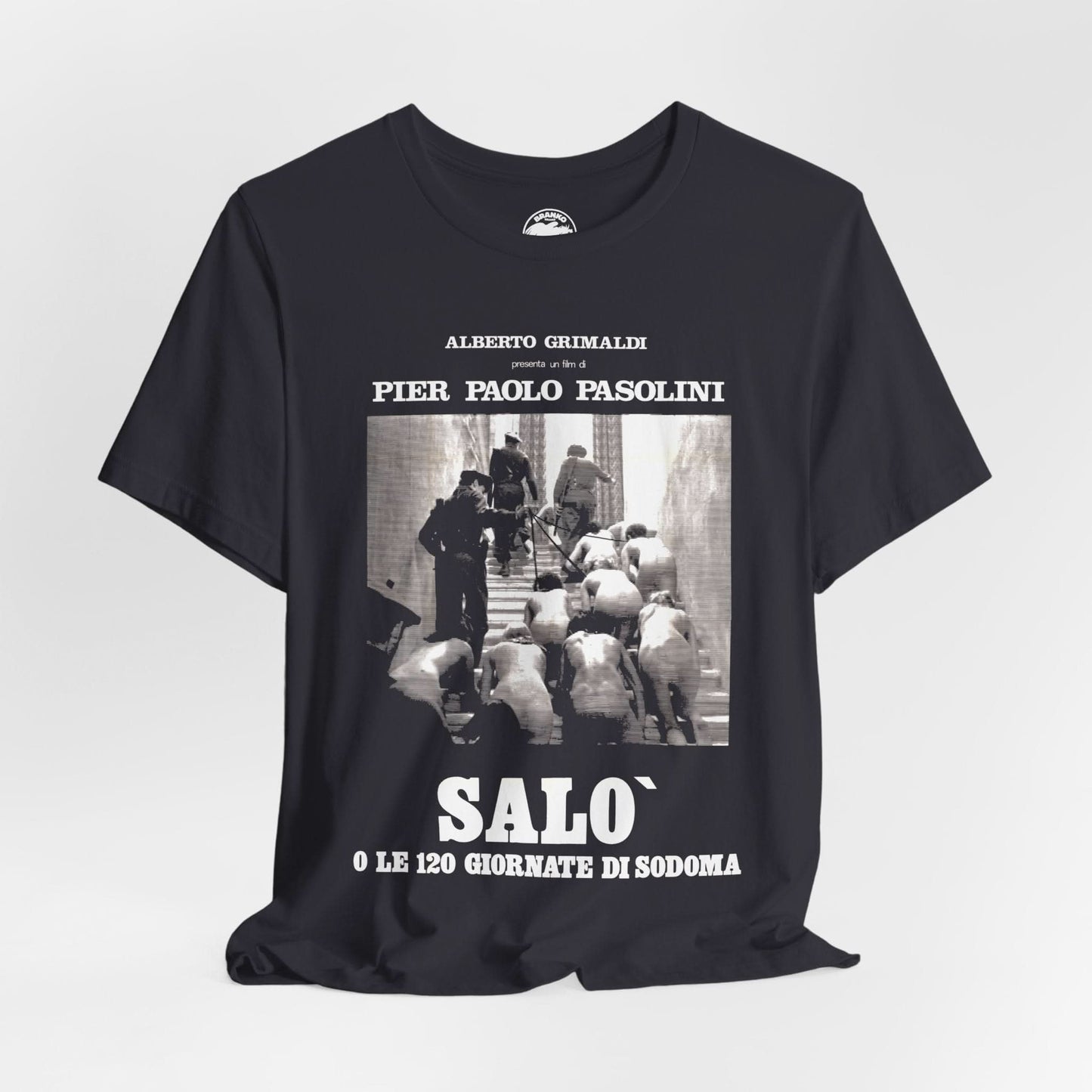
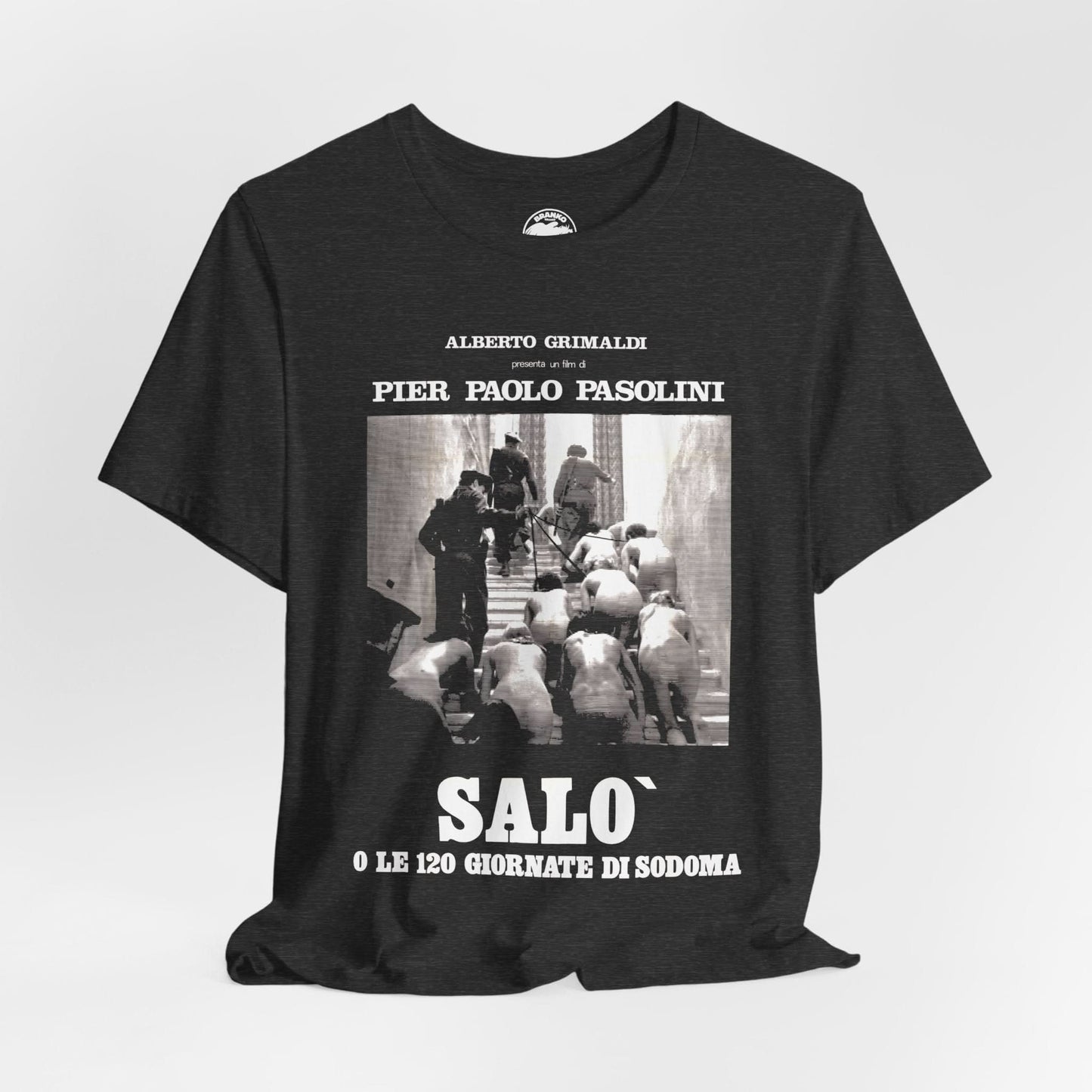
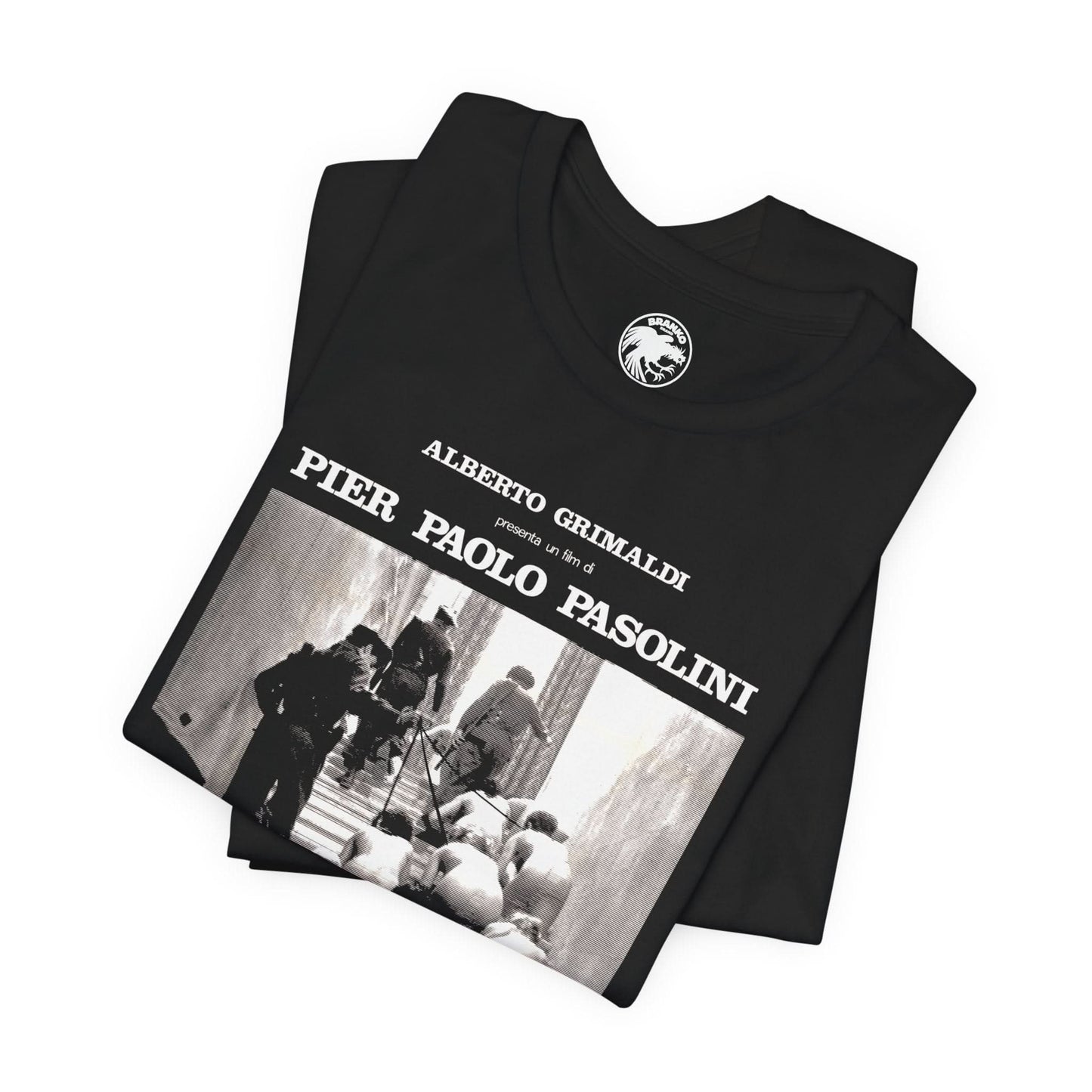
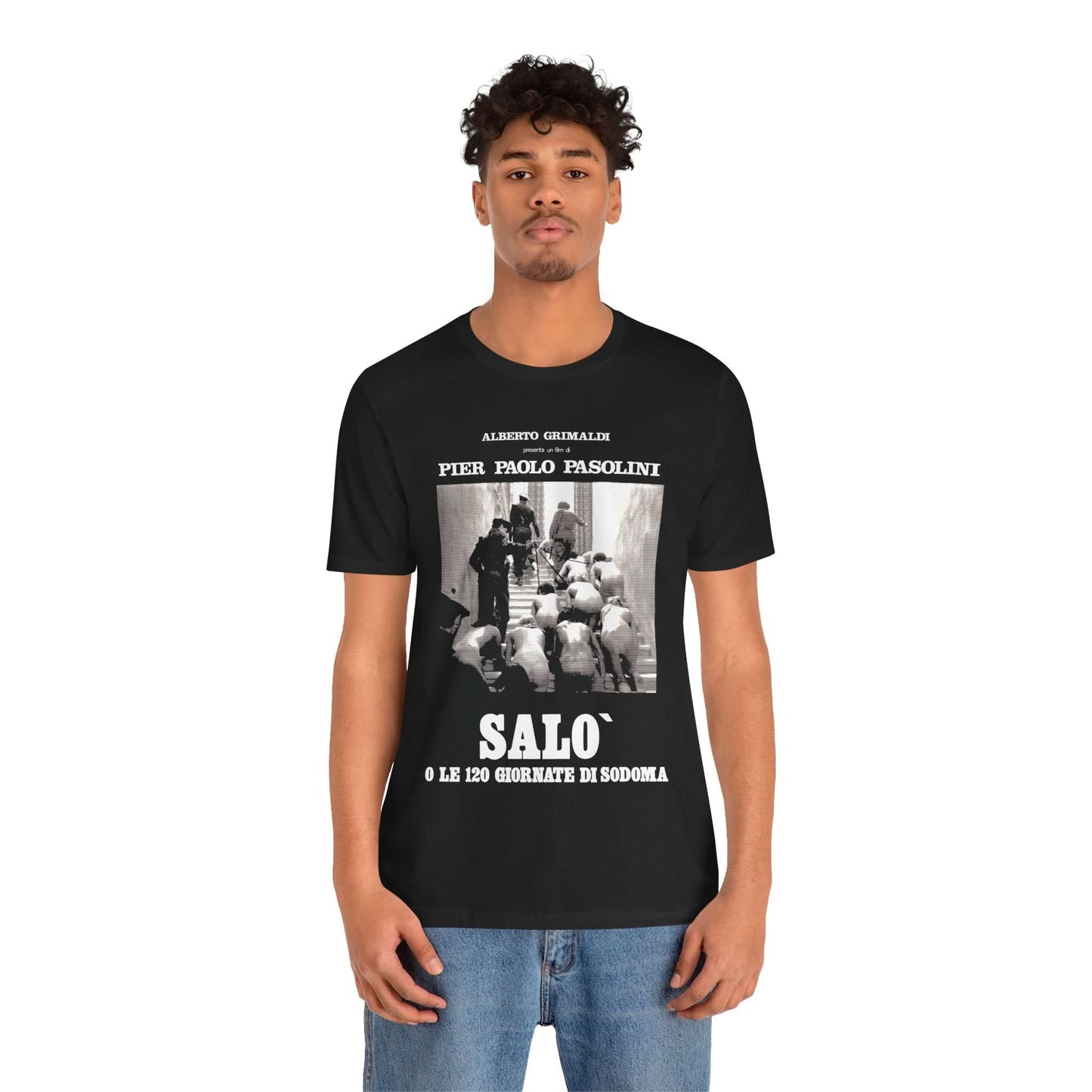
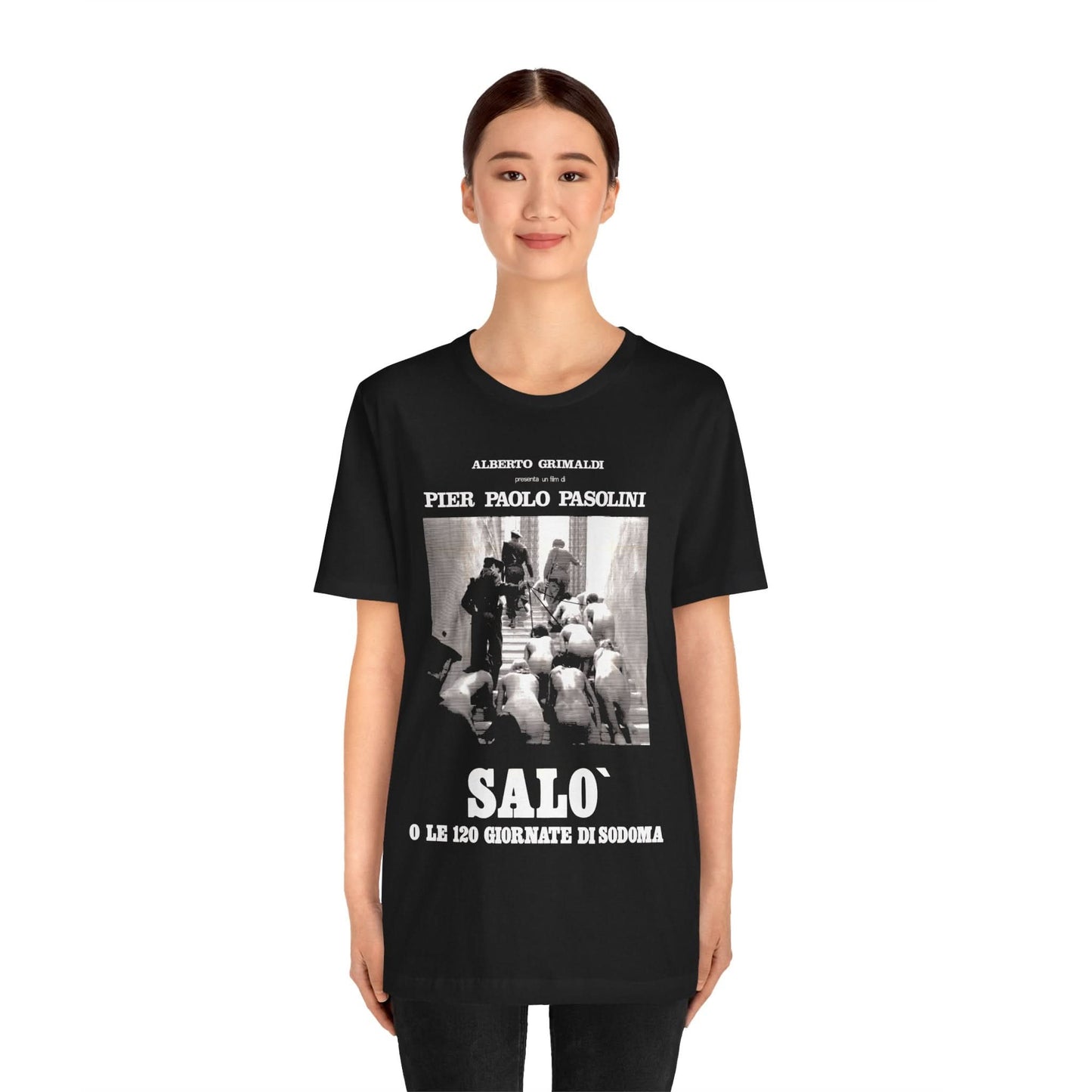
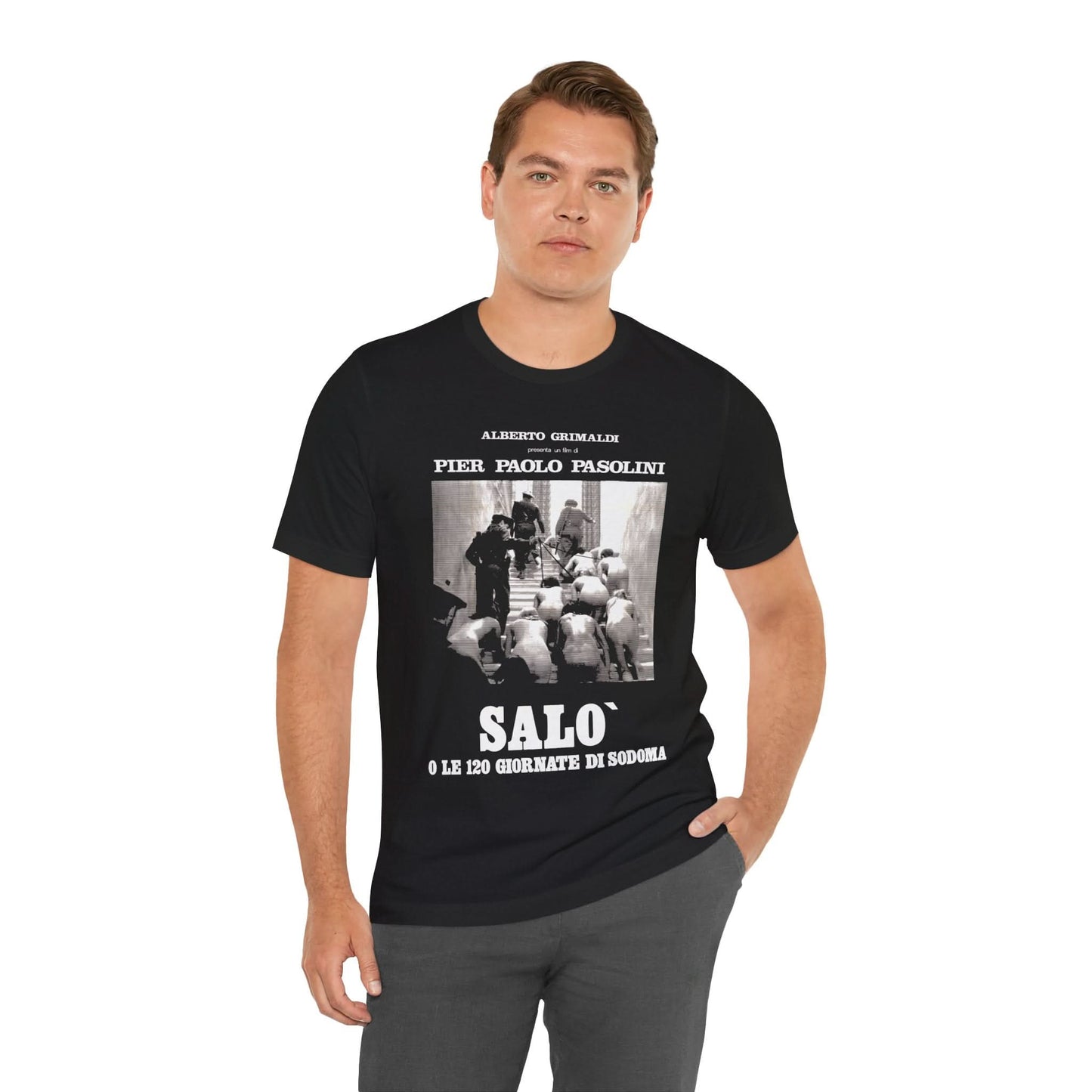
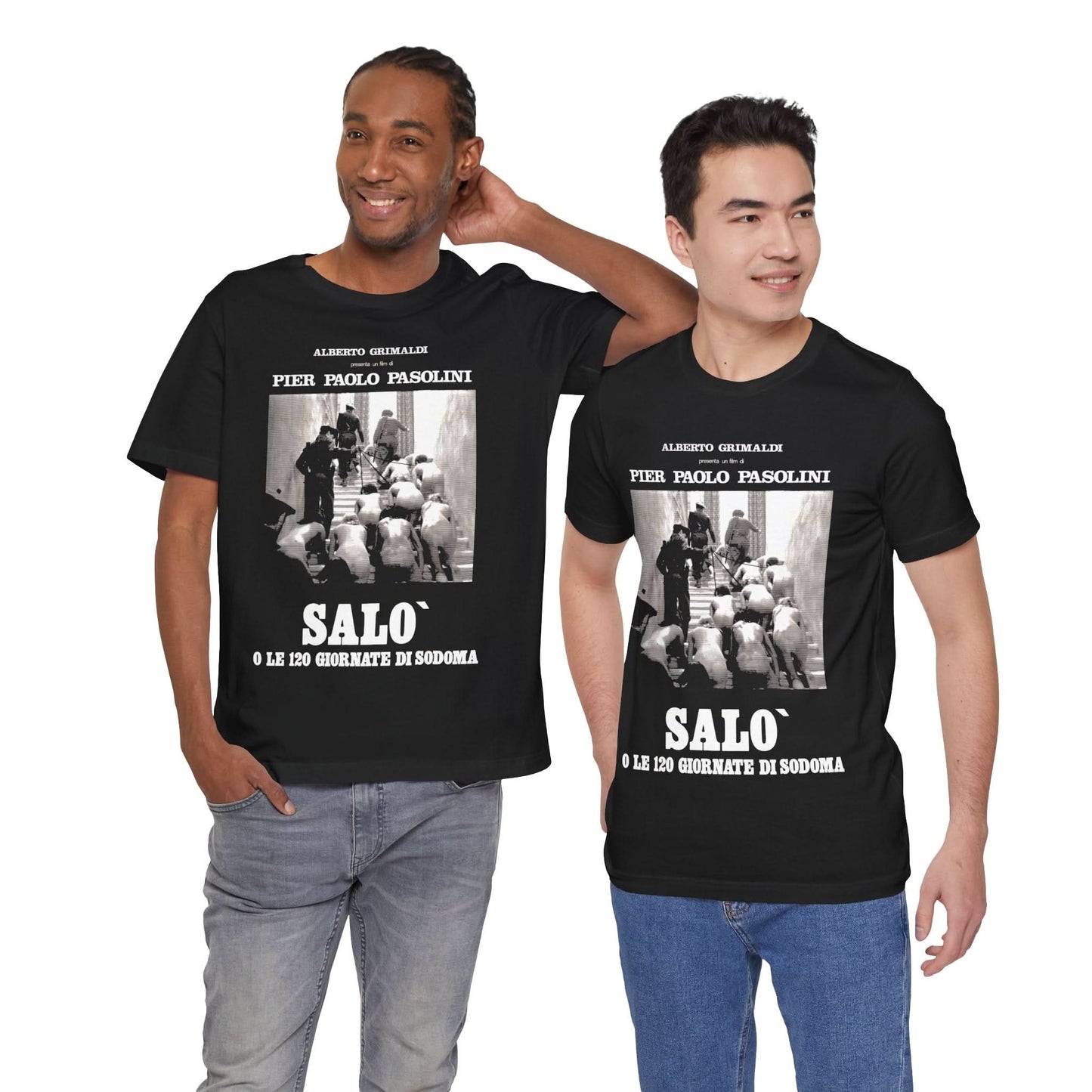
Salò, or the 120 Days of Sodom — 1975
Few films in cinema history are as infamous—or as fiercely discussed—as Salò, or the 120 Days of Sodom, the final and most controversial work by Italian director Pier Paolo Pasolini. Released in 1975, the film reimagines the notorious novel by Marquis de Sade, placing its brutal allegory within the final days of fascist Italy.
Set during the collapse of Italian Social Republic, Pasolini’s film follows a group of powerful men who imprison a group of young captives in a remote villa, subjecting them to increasingly disturbing rituals of control, humiliation, and cruelty. The film’s unflinching imagery was meant as a political allegory—an indictment of authoritarian power, corruption, and the dehumanizing effects of fascism and consumer culture.
Upon its release, Salò shocked audiences worldwide. The film was banned in numerous countries and remains one of the most debated works in film history. Yet over time it has also become a cornerstone of radical cinema, studied and discussed for its provocative imagery, political themes, and uncompromising artistic vision.