

2+ items ship free in the US · 4+ items get 15% off
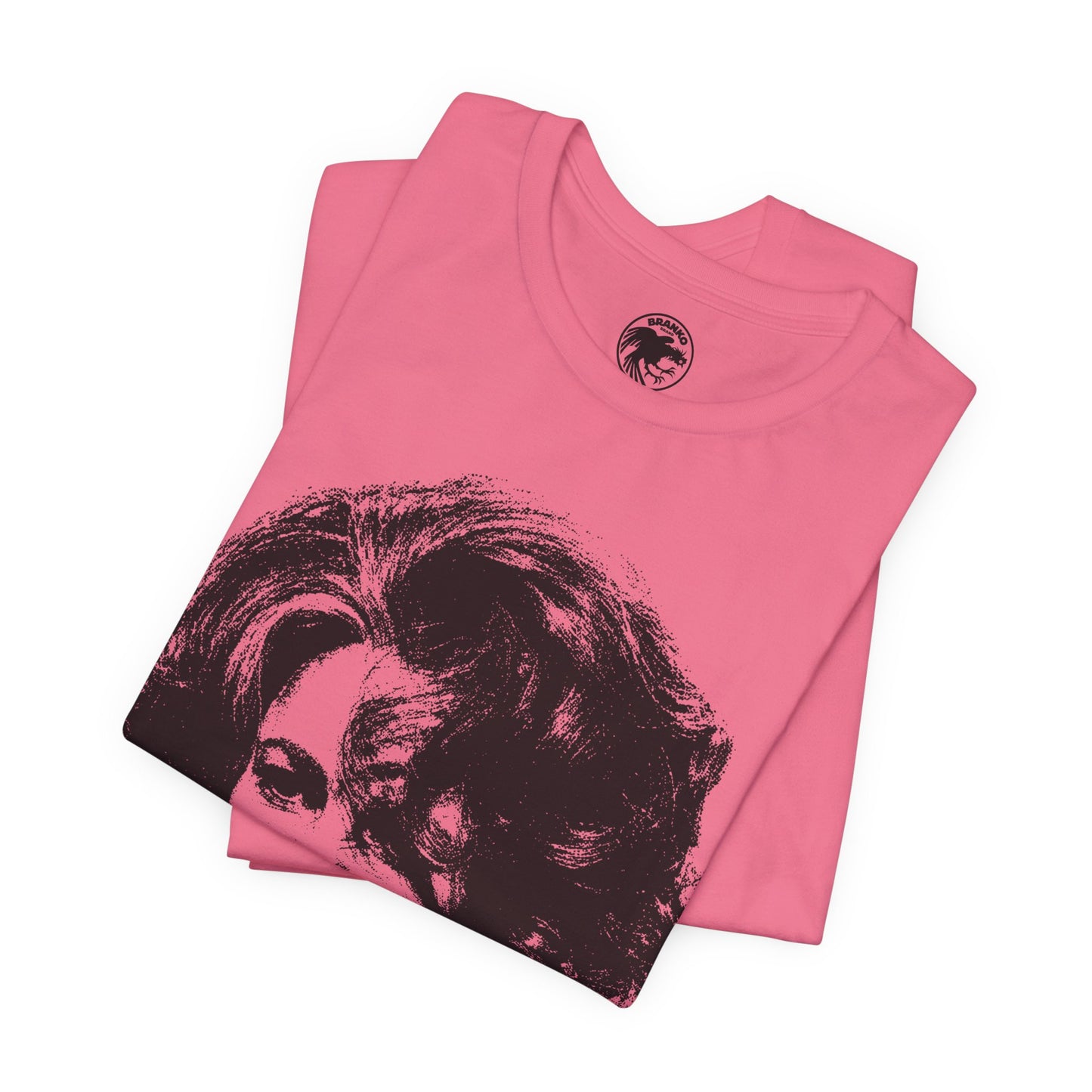
Who's Afraid of Virginia Woolf? (Vintage Style Graphic/Elizabeth Taylor Shirt)
Who's Afraid of Virginia Woolf? (Vintage Style Graphic/Elizabeth Taylor Shirt)
2+ items ship free in the US · 4+ items get 15% off
Couldn't load pickup availability
Who's Afraid of Virginia Woolf? — Vintage Film Tee (1966)
Some films don't simply age well—they become legends.
Released in 1966, Who's Afraid of Virginia Woolf? brought Edward Albee's explosive Broadway play to the screen with two of the greatest performances in American cinema. Directed by Mike Nichols, the film stars Elizabeth Taylor and Richard Burton as Martha and George, a married couple whose late-night cocktail party descends into one of the most unforgettable emotional battles ever filmed.
What begins as drinks after a faculty gathering quickly becomes an all-night marathon of razor-sharp wit, buried resentments, psychological warfare, and startling vulnerability. Taylor and Burton—already Hollywood's most famous couple—blurred the line between performance and reality, creating a chemistry that still feels electric decades later.
The film marked a turning point in American cinema. Its frank language, adult themes, and emotional intensity challenged the fading Hollywood Production Code and helped usher in the more daring, character-driven films of the late 1960s and 1970s. It received 13 Academy Award nominations, with Elizabeth Taylor winning her second Oscar for her fearless portrayal of Martha.
For LGBTQ+ audiences, Who's Afraid of Virginia Woolf? has long held cult status. Edward Albee's brilliant dialogue, the film's theatricality, and Martha's devastating one-liners have made it a favorite among lovers of camp, classic cinema, and exquisitely performed verbal combat.
The Edge — Kansas City, Missouri (1991–1998)
For much of the 1990s, The Edge was one of Kansas City's premier gay dance clubs—a place where the music was loud, the lights stayed low, and the weekend didn't really begin until you walked through the door.
Operating from 1991 to 1998, The Edge arrived during a transformative period for LGBTQ+ nightlife. Dance music was evolving from house into the high-energy club sound that defined the decade, and gay clubs became not only places to celebrate but vital spaces where community could gather, heal, and thrive.
The Edge quickly earned a reputation for its energetic dance floor, DJs, themed parties, and late-night atmosphere. It attracted a diverse crowd from both Missouri and Kansas, becoming a destination for those looking to dance until closing time or simply spend an evening surrounded by people who understood the importance of having a place of your own.
The club was part of a broader renaissance in Kansas City's LGBTQ+ community during the 1990s. Alongside neighborhood bars, leather clubs, and drag venues, The Edge helped create a nightlife scene that offered something for everyone—from quiet conversation to all-night dancing.
For many patrons, it was more than a nightclub. It was where friendships began, relationships formed, birthdays were celebrated, and countless people experienced the excitement of walking into a gay dance club for the very first time.
Share